

Compare Natural Supplements for Men
With so many options on the market, choosing the right supplement can feel overwhelming. This comparison guide helps you evaluate popular products for men based on ingredient transparency, format, and intended use — so you find the right fit for your wellness goals.
What to Compare When Choosing Men's Supplements
Three core dimensions matter most: how the format fits your routine, what's actually inside, and how well your body can use it.
Capsules vs. Powders
The format of a supplement affects both its convenience and how the body absorbs it. Natural capsules for strength and vitality offer pre-measured doses that are easy to take on the go — no mixing, no measuring. Powders can allow for higher dosages and flexible serving sizes, but they require a shaker, water, and a few minutes of preparation each time. For most men who want a consistent daily routine without extra steps, capsules are the simpler choice.
Ingredient Purity
When comparing men's vitamin supplements, the source of the raw materials is the most important factor. Look for products that list their specific herbal strains and mineral forms — for example, Magnesium Citrate versus Magnesium Oxide. The citrate form is generally better absorbed by the body, while the oxide form is cheaper but less bioavailable. Purity ensures you are getting the active compounds you need without unnecessary additives, synthetic colors, or low-grade fillers that dilute the formula.
Targeted Blends vs. Multivitamins
A general multivitamin provides a broad base of vitamins and minerals for men, covering everyday nutritional gaps. Targeted blends, by contrast, allow you to focus on specific needs like energy or muscle recovery. If your diet is already strong and you eat a varied mix of whole foods, a targeted energy and endurance supplement may be more effective than a generic one-a-day formula. Identifying your primary health goal — daily maintenance versus focused support — is the first step in choosing a product.
Cost vs. Value
Price is always a consideration, but the cheapest option is rarely the best value. When comparing prices, look at the cost per serving and the concentration of active ingredients — not just the sticker price on the bottle. A slightly more expensive product with higher bioavailability and verified ingredient forms often provides better results than a cheaper alternative loaded with low-quality fillers. Reading the supplement facts panel tells you far more about value than the front label does.
Supplement Formats at a Glance
Four common delivery formats, each with different trade-offs in convenience, dosage flexibility, and absorption speed.
Capsules
Pre-measured dose, portable, no preparation needed. Best for daily consistency.
Powders
Flexible dosing, higher serving sizes possible. Requires mixing and water.
Liquid Drops
Fast absorption under the tongue. Adjustable servings, distinct taste.
Effervescent
Dissolves in water for quick intake. Easy on the stomach, portable tablets.

Evaluating Ingredient Purity in Popular Products for Men
When comparing men's vitamin supplements, the source of the raw materials tells you more than the front-of-bottle marketing. A product that lists specific herbal strains and identified mineral forms — such as Magnesium Citrate versus Magnesium Oxide — gives you a way to verify what you are actually consuming.
Purity means you are getting the active compounds that support your daily routine without unnecessary additives, synthetic colors, or bulk fillers that exist only to fill capsule volume. The most transparent brands publish their ingredient sources and standardize extract concentrations. When a label is vague about where a botanical comes from or what form a mineral takes, that absence of detail is itself a signal worth weighing.
For healthy lifestyle products aimed at active men, reading the supplement facts panel — not the marketing claims — is the most reliable habit you can build before making a comparison.
Herbal Concentrates and Traditional Wisdom
Many popular products for men rely on time-tested herbal ingredients like Tongkat Ali or Panax Ginseng. When comparing these, the single most useful number to look for is the extract ratio — typically written as 10:1 or 20:1 on the label. This ratio means that ten or twenty parts of the raw plant were concentrated into one part of the finished extract, giving you a sense of how potent each serving is relative to the raw herb.
A higher ratio does not automatically mean better results — it means the concentrate is denser, so a smaller dose may deliver the same amount of active plant compounds. Understanding these metrics helps you determine which supplement offers the most potent natural support for your goals, and whether two products with similar ingredient lists are actually comparable in strength.
Some brands also standardize their extracts to a specific percentage of an active compound — for example, ginsenosides in ginseng. This standardization gives you consistency: each batch contains a reliable amount of the compound you are after, rather than varying with each harvest. When both extract ratio and standardization are listed, you have the two most useful pieces of information for comparing herbal supplements side by side.
Ten parts raw plant concentrated into one part extract. A common baseline for daily herbal supplements.
Twenty parts raw plant per one part extract. A denser concentrate — check the suggested serving size before comparing price.
Very high concentration. Usually means a smaller serving delivers the equivalent of a much larger raw dose.
Standardized to a specific percentage of an active compound — the most reliable indicator of batch-to-batch consistency.
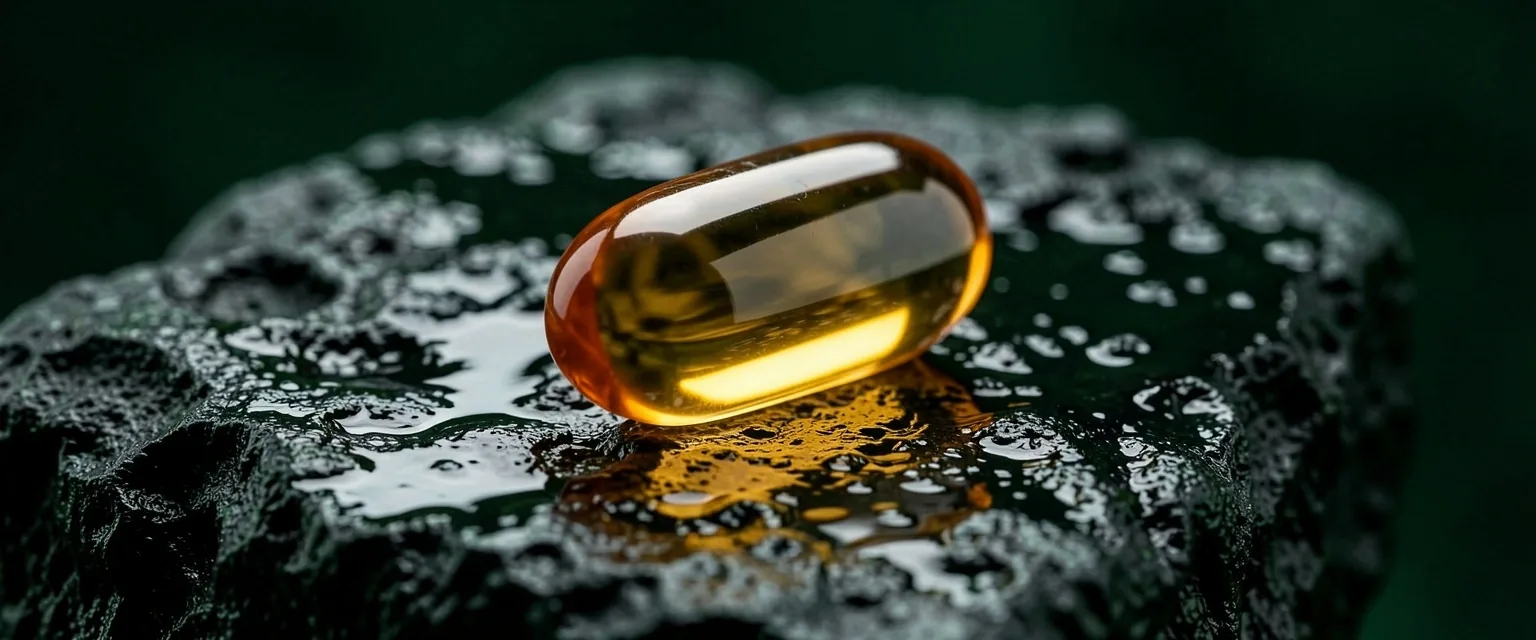
Bioavailability: Getting the Most from Your Supplement
Bioavailability refers to how much of a nutrient actually enters your bloodstream and becomes available for your body to use. It is the difference between what the label promises and what your cells actually receive. Some minerals are better absorbed when paired with specific vitamins — Vitamin D paired with Calcium is a well-known example — because the pair work together at the intestinal level.
Our comparison highlights which products are formulated for maximum absorption, pointing out when a brand has paired complementary nutrients or chosen a more bioavailable mineral form. This matters because a well-formulated product with slightly lower dosages can outperform a poorly formulated one with higher numbers on paper. Ensuring your investment does not go to waste starts with reading for absorption, not just for quantity.
Shelf Life and Storage Requirements
Natural products can be sensitive to light and heat, so the packaging matters as much as the ingredient list. Compare supplements that come in dark, airtight containers versus those in clear bottles on an open shelf — the former protects the contents from UV degradation and oxidation, both of which steadily reduce potency over time.
Proper storage ensures that the vitamins and botanical extracts remain potent from the first dose to the last. Look for opaque or amber-colored bottles, induction-sealed liners under the cap, and clear storage instructions on the label. A product that comes in a transparent container with no seal is a sign that the brand has not prioritized stability — and the contents may lose effectiveness before you finish the bottle.
At home, keep supplements away from direct sunlight, heat sources, and humidity. A cool, dry cabinet is better than a kitchen counter or bathroom shelf, where temperature swings and moisture can accelerate breakdown.
Understanding Daily Value Percentages
The labels on men's health support products often show the percentage of Daily Value (DV) for each nutrient listed. While 100% DV is a good baseline that covers the needs of most adults, some men may require higher levels of certain vitamins based on their activity levels, training intensity, or dietary patterns.
Comparing these percentages allows you to tailor your intake to your specific needs rather than relying on a one-size-fits-all number. An athlete who trains five days a week may benefit from a formula that provides more than 100% DV of certain B vitamins, for instance, while someone with a balanced diet might only need a maintenance-level formula.
The DV system is a reference point — not a ceiling. Reading it carefully helps you notice when a product is over-fortified in one area and under-delivering in another, which is exactly the kind of imbalance a side-by-side comparison is meant to catch.
Comparing Delivery Formats in Depth
Each format trades convenience against dosage flexibility and absorption speed. Here is what to weigh before choosing.
Vegetable Capsules
Best forDaily consistency, travel, pre-measured dosing without guesswork.
Watch forServing size — some formulas need three to four capsules per dose, which affects cost per serving.
AbsorptionSteady and reliable. The capsule dissolves in the stomach within minutes, releasing the contents for uptake.
Powdered Mixes
Best forHigher dosages that would require too many capsules, and adjustable servings.
Watch forAdded sweeteners, flavoring agents, and the need for a shaker or glass of water each time.
AbsorptionFast. The powder is already broken down, so the body takes up nutrients quickly after mixing.
Liquid Extracts
Best forSublingual absorption and precise, drop-by-drop serving adjustments.
Watch forTaste — herbal liquids can be bitter. Also shorter shelf life once opened compared to capsules.
AbsorptionFastest of the four formats. Bypasses much of the digestive breakdown step.
Effervescent Tablets
Best forMen who dislike swallowing capsules and want a drinkable, flavored option.
Watch forSodium content in some formulas, and added flavoring or coloring agents.
AbsorptionQuick. Already dissolved in water before consumption, so uptake begins promptly.
A Quick-Scan Checklist for Comparing Products
Six things to verify before you commit to any supplement formula. Run through them in order — if a product fails on the first two, the rest rarely matters.
Read the supplement facts panel — not the marketing copy — and confirm that specific mineral forms and herbal extract ratios are listed.
Check the cost per serving by dividing the total price by the number of servings in the container — this is the only fair way to compare prices across brands.
Identify whether the formula is a broad multivitamin or a targeted blend, and match that to your primary goal — daily maintenance or focused support.
Look for complementary nutrient pairings — like Vitamin D with Calcium — that signal the formula was designed with absorption in mind, not just label numbers.
Check the packaging — opaque or amber containers with induction seals protect the contents from light and air, which preserves potency from first dose to last.
Confirm the serving size matches your routine. If a formula requires four capsules per dose, factor that into both the daily cost and whether it fits your schedule.
Ready to Find the Right Fit?
Use this comparison as a starting point. Our energy and endurance supplements page breaks down which formulas suit active men, while our editorial standards page explains how we evaluate the products we feature. If you have a specific question, our team in Yogyakarta is available to help.